Interventions in schools and universities
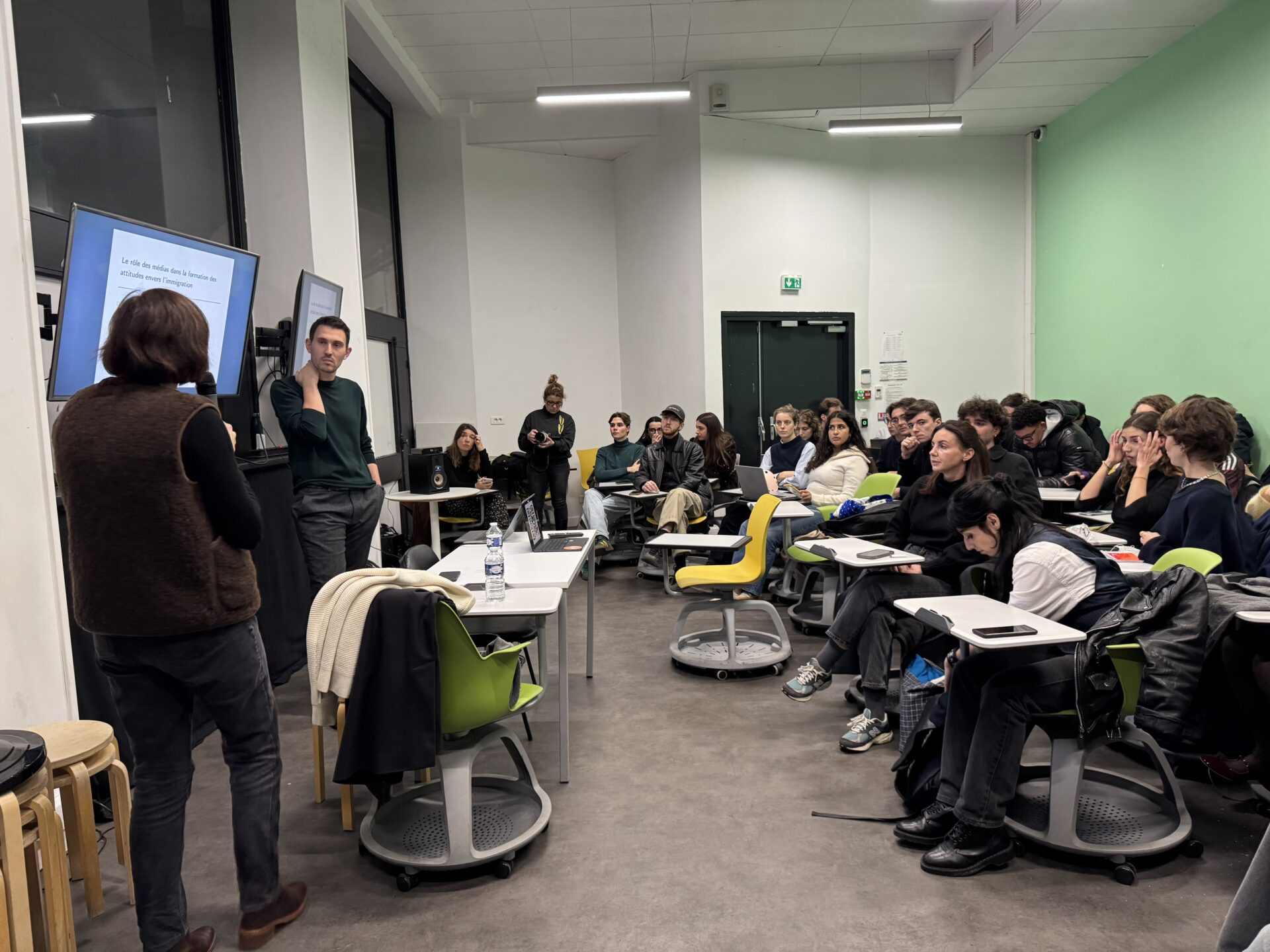
At a time when misinformation, prejudice, and exclusionary rhetoric shape perceptions of migration, restoring the facts and deconstructing misconceptions is a major democratic challenge. In schools, universities, and journalism training programs, SINGA intervenes to transmit fact-based knowledge, develop critical thinking skills, and amplify the voices of those directly affected.
Opening the dialogue on migration
Prejudices are built through the words, images and stories we are exposed to. So, to change perceptions, SINGA acts where they are formed.
At school, first of all. Because that is where part of our representations of the world, and of those around us, are built.
In journalism training programmes, too. Because in the face of disinformation and growing polarisation around migration, it is essential to give future information professionals the means to decipher facts, question their biases and tell these realities in all their complexity.
Acting at the source of stories
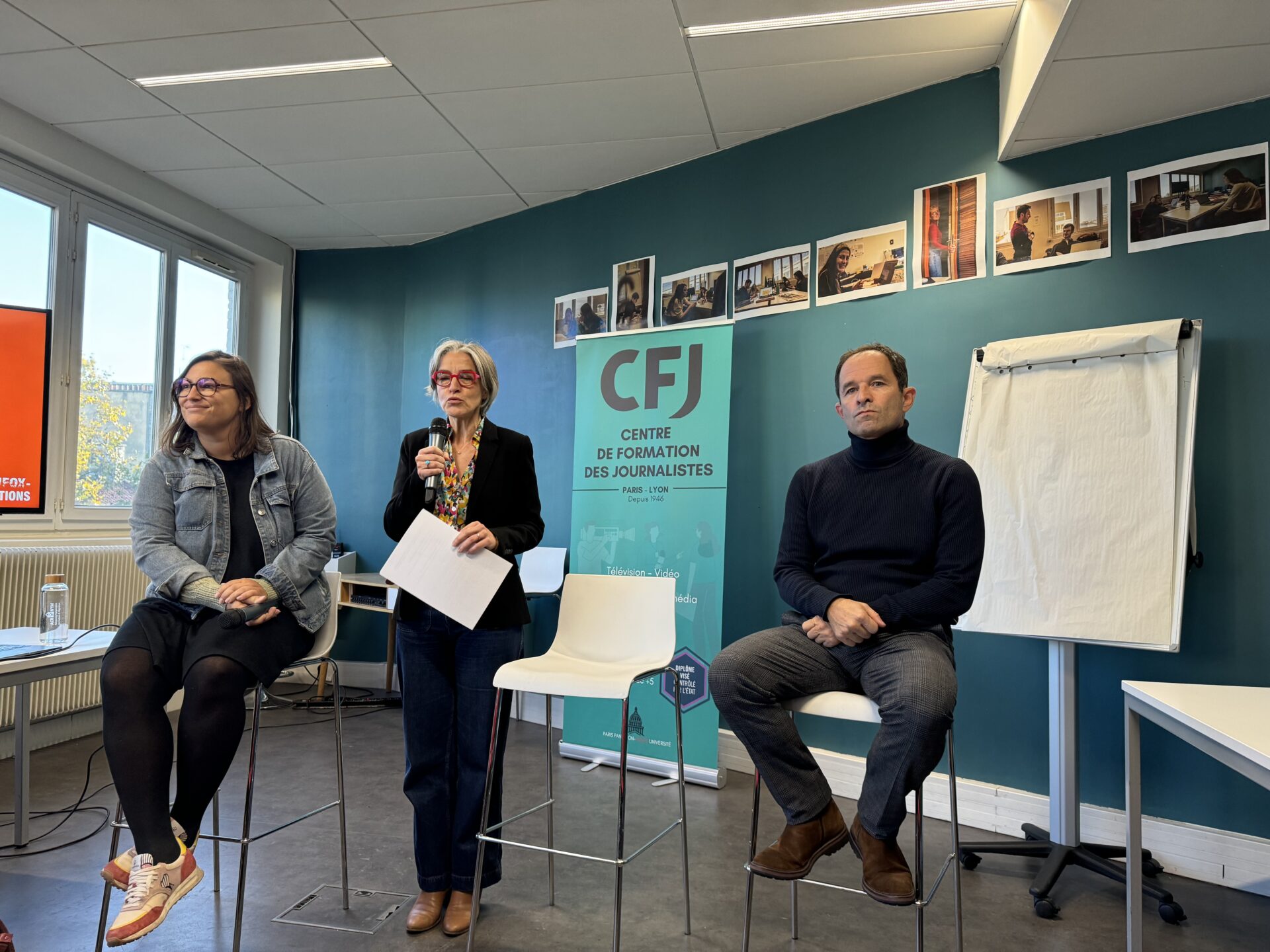
This is the whole purpose of the partnership SINGA has developed with the Centre de Formation des Journalistes (CFJ).
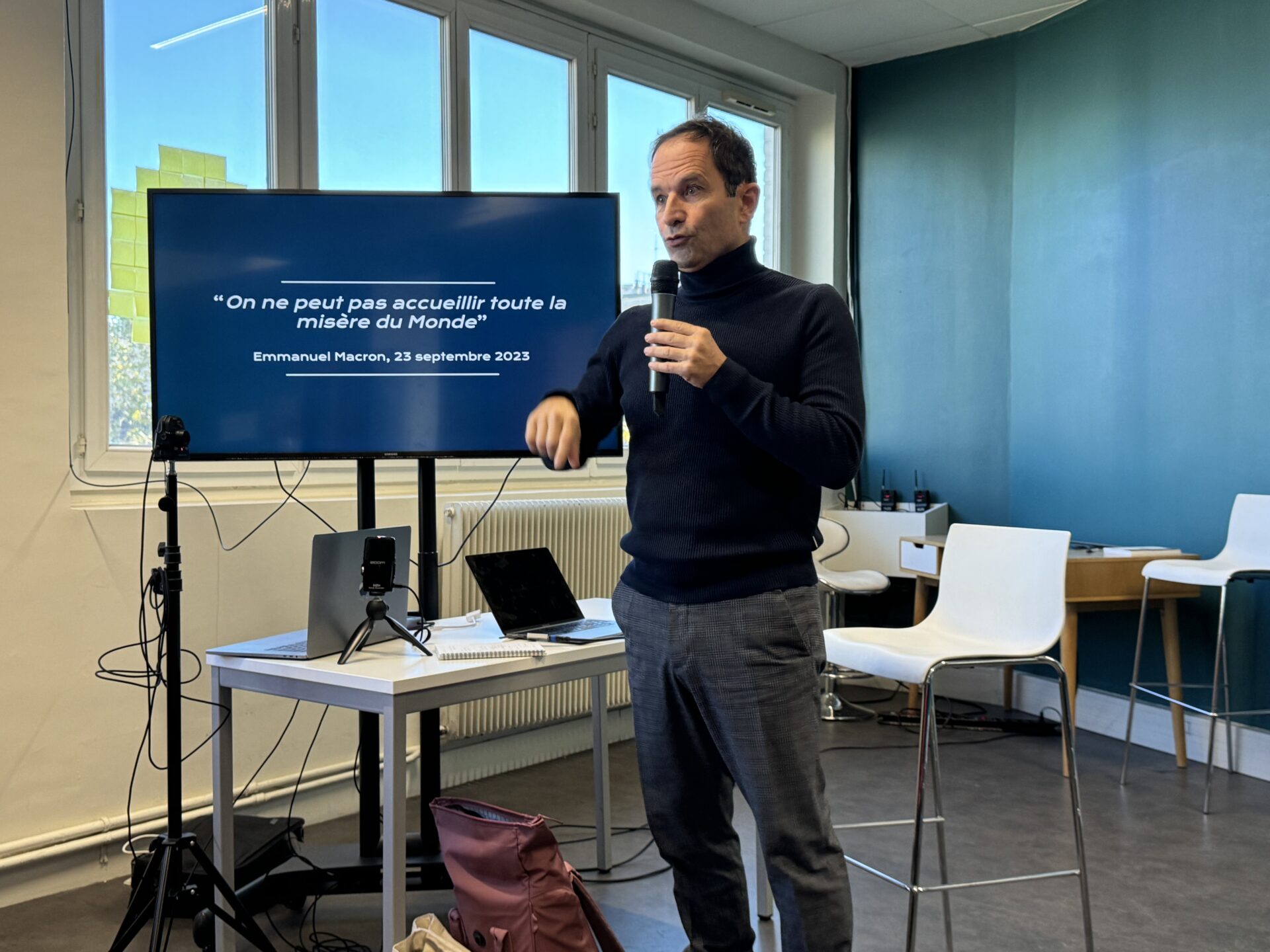
Alongside Désinfox-Migrations in particular, SINGA works with future journalists on migration realities, disinformation, preconceived ideas and media coverage of migration.
Courses, lectures, meetings with researchers and people with lived experience, work on archives with the INA, documentaries produced by students: the goal is not to offer a “good story” of migration in place of another.
It is to give tomorrow’s journalists the tools to verify, contextualise, question their own representations, and amplify a greater diversity of voices.
Because in the face of fake news, changing perceptions also means working with those who produce information.
“The media have a major impact on perceptions of migration.”
’’“The example of the German newspaper struck me: systematically specifying the origin makes the population aware that there is no link between immigration and crime.”
’’“I appreciated having access to the infographics, statistics and their interpretation in the context of media responsibility regarding the treatment of migration.”
’’“I enjoyed reading studies concerning the economic aspects of migration. It allowed me to broaden my understanding.“
’’“I appreciated the presentation of all the statistical studies; I was not familiar with them.“
’’Changing perceptions where they are built
From school desks to journalism schools, the ambition is the same: to act at the source.
Giving keys to recognise disinformation. Putting complexity back into debates that are too often caricatured. Questioning preconceived ideas. Multiplying encounters. And enabling everyone to build their own perspective rather than having it imposed on them.
Because to change tomorrow’s stories, we have to start with those who will receive them, and those who will tell them.