SINGA Teams Strengthen Their Joint Strategy in the Face of Political Tensions and Challenges Facing the Nonprofit Sector
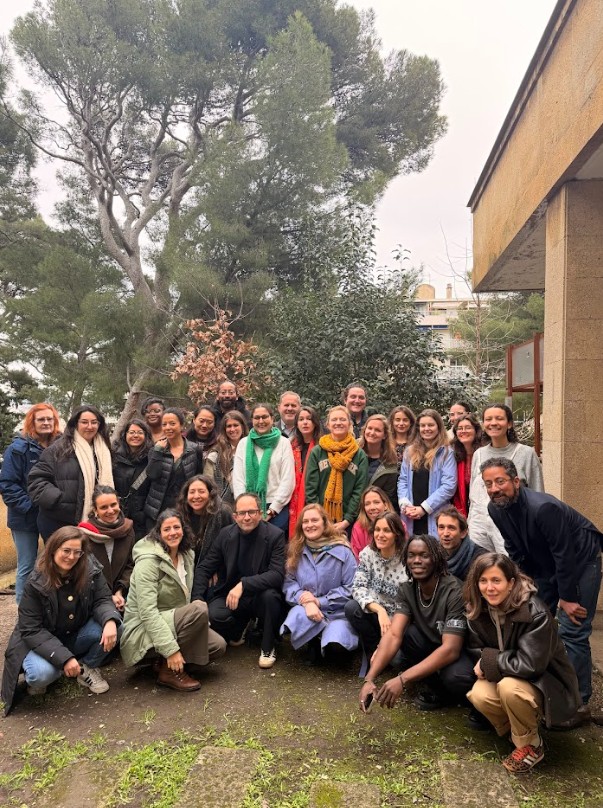
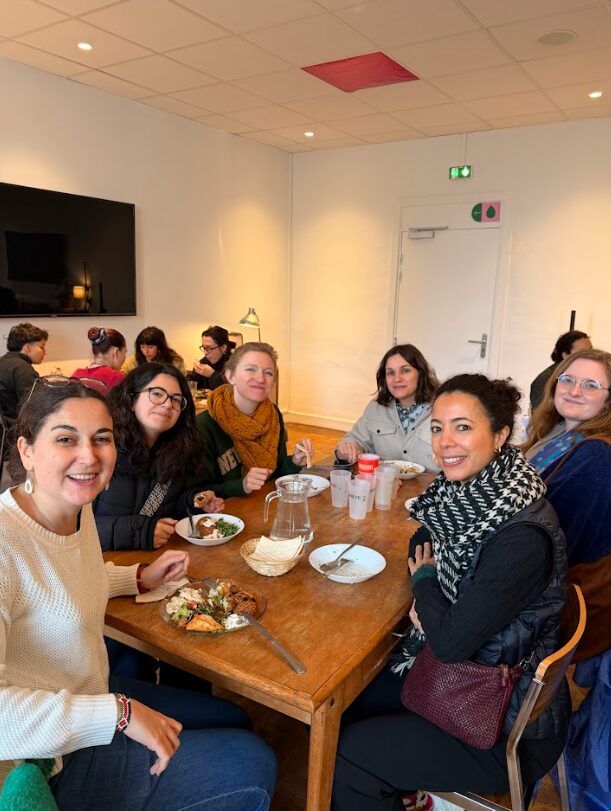
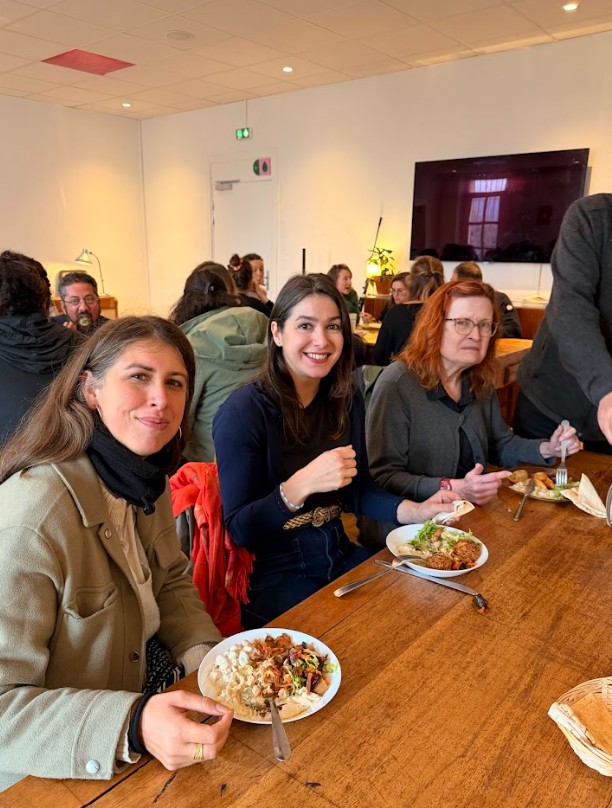
On February 4 and 5, 2026, SINGA brought together representatives from its international network, which spans 16 cities and 7 countries, in Marseille. Over two days, the teams worked together to adapt their strategies in a context marked by the tightening of immigration policies, the rise of exclusionary rhetoric, and the weakening of funding for civil society organizations.
In early February, Marseille hosted the SINGA Leaders Seminar 2026, the annual gathering of directors and representatives from the various branches of the SINGA network.
Over two days, teams from France, Germany, Belgium, Luxembourg, Switzerland, Spain, and Canada shared their realities on the ground, their challenges, and their strategies for continuing to develop inclusion programs in an increasingly constrained environment.
For across Europe, organizations working on migration issues face dual pressures: political on one hand, economic on the other.
An Increasingly Tense Environment for Inclusion Advocates
Across many European countries, immigration policies are becoming stricter, while nationalist and xenophobic rhetoric is gaining ground in the public sphere.
At the same time, many nonprofit organizations have to deal with growing financial instability: declining public subsidies, the withdrawal of certain private donors, increased competition among organizations, and difficulties in funding long-term projects.
For a network like SINGA, which has been working for over a decade to facilitate encounters between newcomers and local residents, support inclusive entrepreneurship, and change perceptions of migration, these developments have very concrete consequences.
The Marseille seminar therefore had a clear objective: to collectively analyze this new context and strengthen the network’s capacity for action.
Strengthening the Network’s Funding Capacity
One of the main topics discussed over the two days was the issue of funding. In an environment that has become more unstable, the teams worked on several strategic priorities:
- securing existing funding;
- diversifying revenue streams;
- developing internal fundraising skills;
- sharing best practices among the network’s various chapters.
The goal is to enable the inclusion programs led by SINGA to continue growing while ensuring their sustainability in the medium and long term. These discussions come just a few weeks after the crowdfunding campaign launched by SINGA Global on Ulule, which mobilized more than 1,140 contributors under the slogan “ Let’s defend SINGA: connections, not walls.”
Constructing narratives that resonate beyond existing circles of support
In an increasingly polarized media landscape, the teams discussed how to craft accessible, relatable narratives capable of reaching broader audiences.
Discussions focused in particular on:
- how to talk about migration outside the usual anxiety-inducing frameworks;
- the connection between on-the-ground expertise and human stories;
- coordinating messaging on an international scale;
- strategies for reaching audiences beyond those already aware of the issue.
Beyond reacting to exclusionary rhetoric, the challenge is also to propose alternative narratives: to concretely demonstrate the outcomes of encounters, collaborations, and pathways to inclusion within communities.
An international network focused on cooperation
Beyond the strategic workshops, this seminar also served as a crucial opportunity for coordination among the network’s various cities. Teams shared the local challenges they face, identified common issues, and aligned their priorities for the coming months.
Now present in 7 countries and 16 cities, the SINGA organization operates as a decentralized network, where each chapter develops its own initiatives while contributing to a shared vision. In a context where challenges are multiplying, these opportunities for collective work are essential to maintaining a coherent strategy and strengthening the movement’s capacity for action on an international scale.