At ChangeNOW 2026, SINGA championed a core belief: there can be no sustainable transition without inclusion
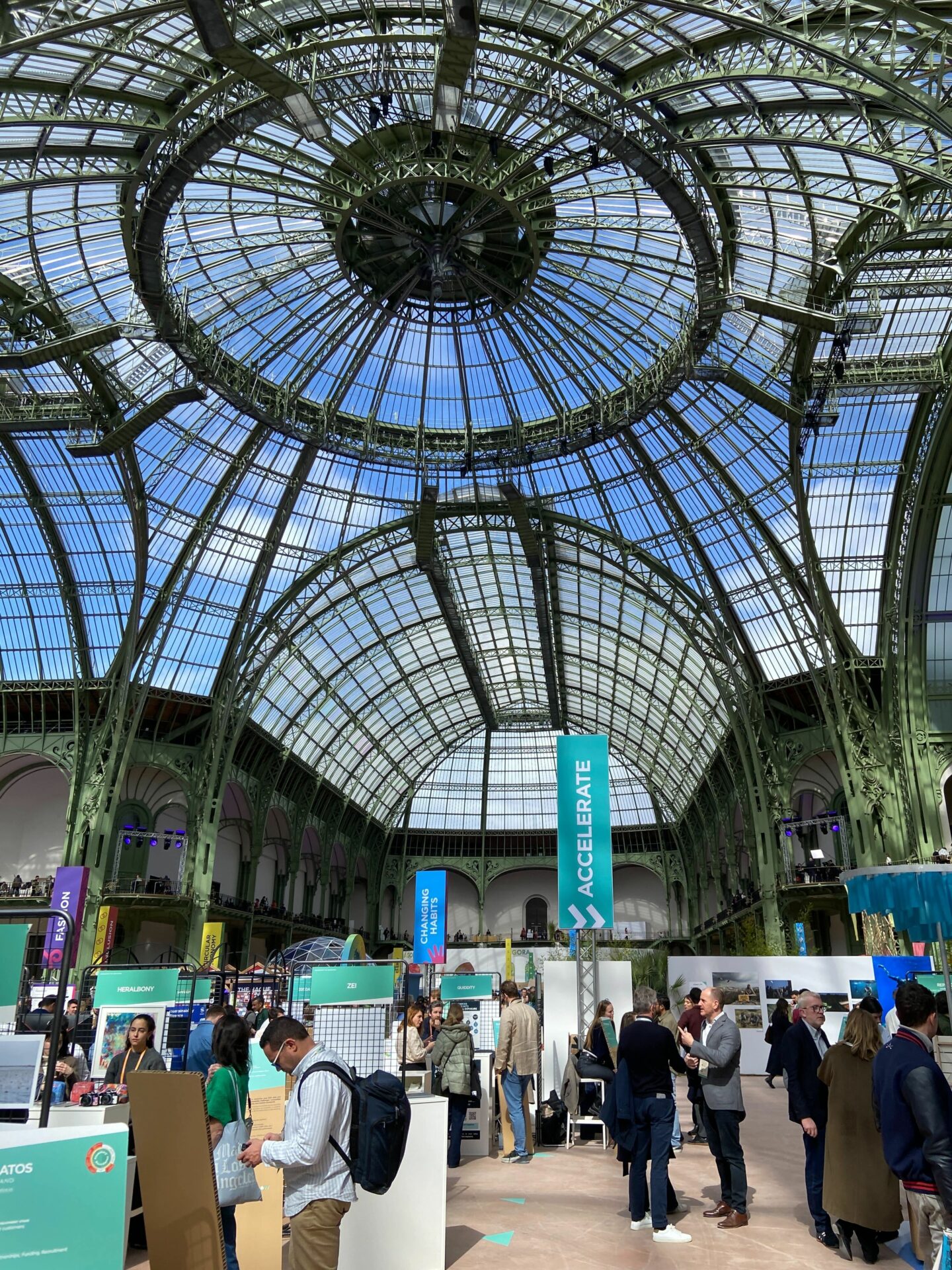
From March 28 to 30, 2026, SINGA participated in ChangeNOW at the Grand Palais, one of the largest international summits dedicated to solutions for the planet and society. For three days, the network’s teams championed a shared vision: in the face of climate, social, and democratic crises, inclusion can no longer be viewed as a peripheral issue, but as an essential prerequisite for the transformations to come.
Rethinking Inclusion Beyond Emergency Response and Aid
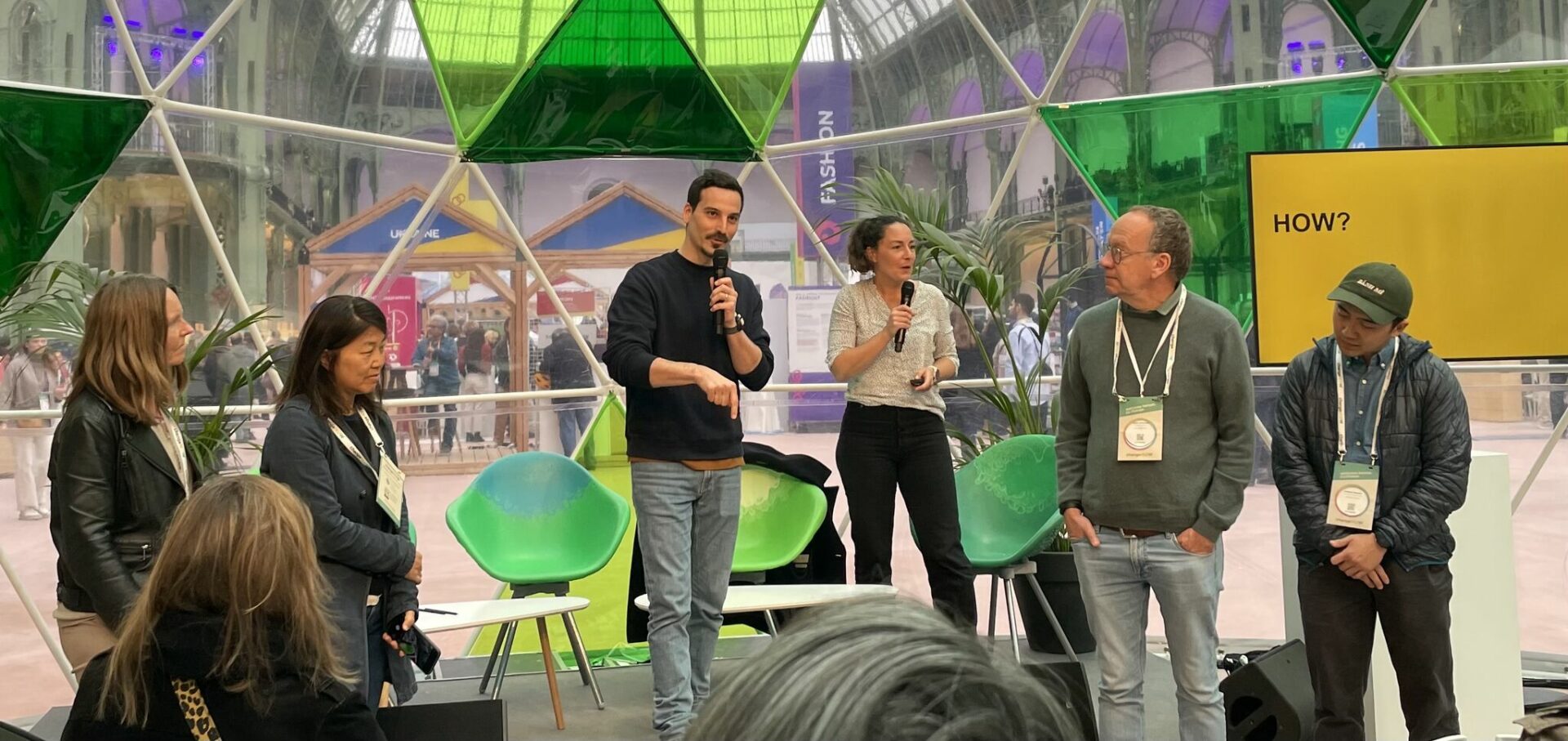
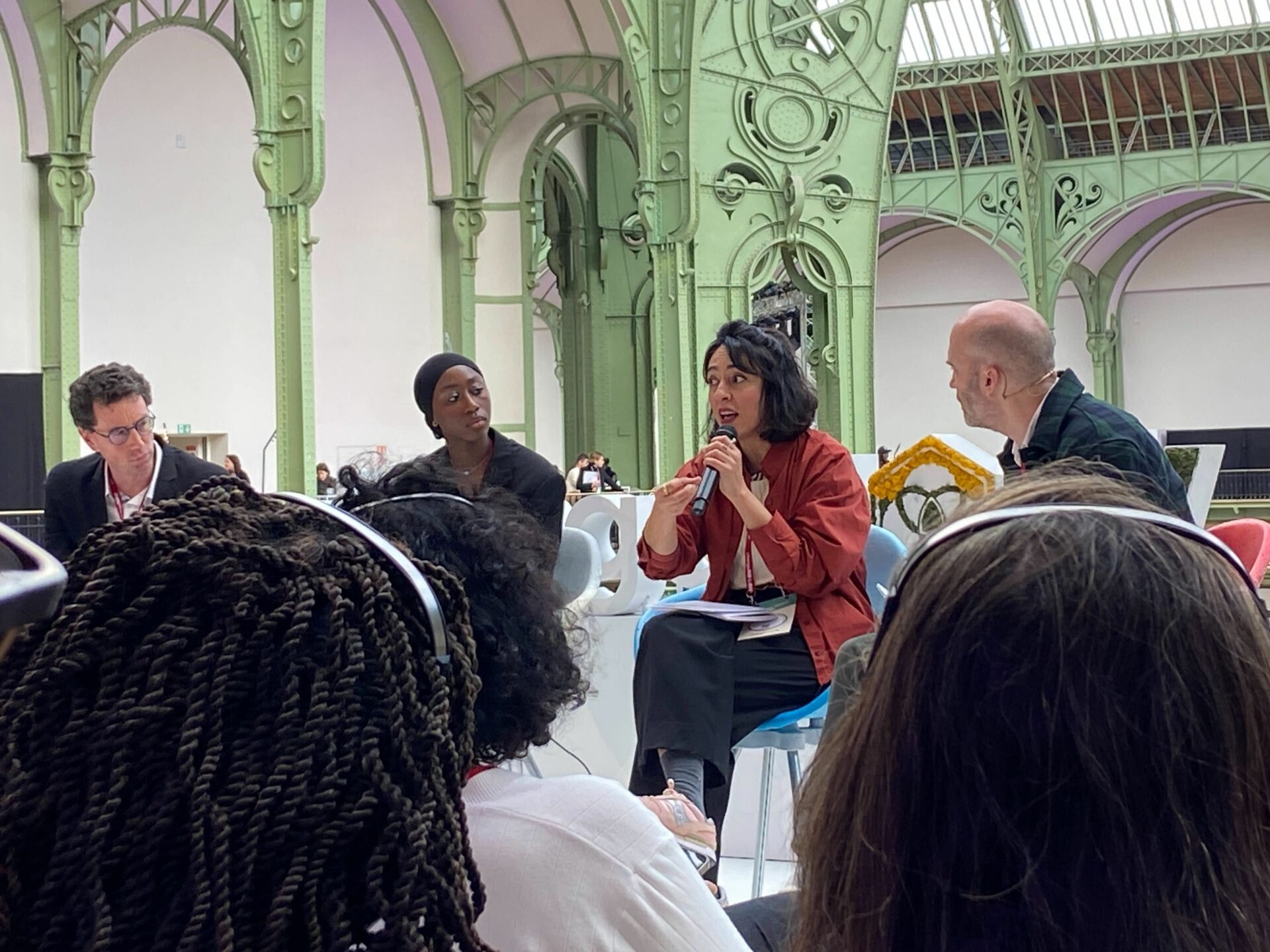
On March 30, Hanieh Hadizadeh, co-director of SINGA Paris, participated in the roundtable discussion “Rethinking Refugee Inclusion”.
At the heart of the discussions: the growing disconnect between documented realities of migration and the dominant narratives that continue to shape public debate.
With more than 117 million people currently displaced worldwide, the discussions highlighted several key observations:
- the most anti-immigration rhetoric remains a clear minority in public opinion;
- fears surrounding migration are often exploited for political gain;
- it is not mobility itself that creates vulnerability, but the lack of access to rights, resources, and networks.
Above all, the speakers emphasized a central idea for SINGA: inclusion cannot exist without meaningful human connections.
Building connections, fostering encounters, and enabling people who would never have crossed paths to create shared spaces: this behind-the-scenes work is, however, at the heart of sustainable inclusion.
Bringing Inclusion into Economic Debates
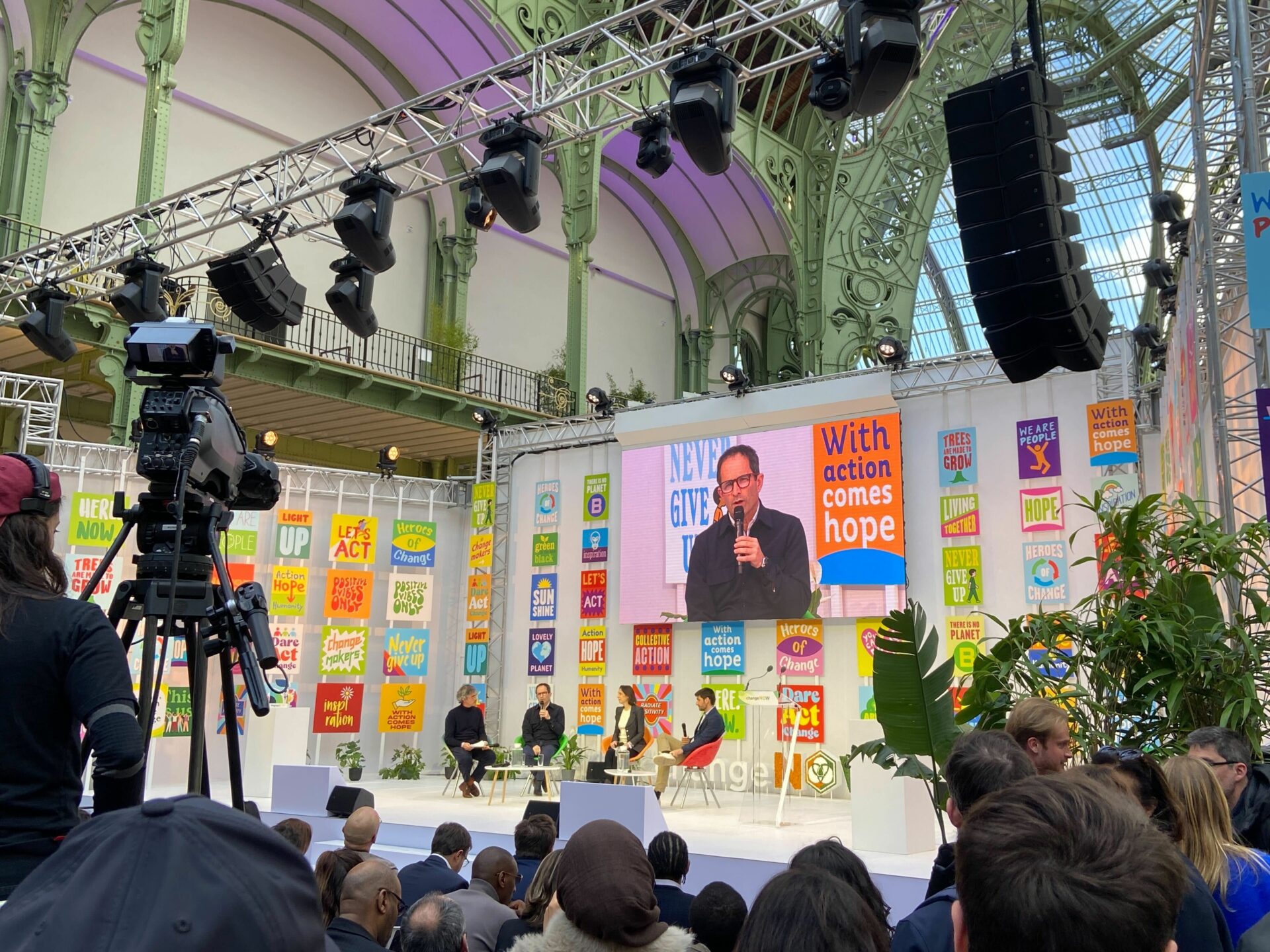
The issue of economic impact and access to opportunities was also central to the discussions during the Impact 40/120 event.
On this occasion, Benoît Hamon, CEO of SINGA Global, participated in a roundtable organized by Les Échos around a provocative question: “Do we really want French impact unicorns?”
Beyond issues of growth or performance, the discussion quickly shifted the debate toward a deeper question: who truly benefits from economic transformations and innovation?
Because behind the promises of the “impact economy,” one question is often overlooked: who has access to the resources, networks, funding, and visibility needed to start a business?
For SINGA, integrating inclusion into these economic spaces is not just a nice-to-have. It is an essential prerequisite for building models that are truly sustainable and representative of contemporary societies.
Questioning Our Own Collective Biases
Another highlight of the summit was the workshop co-led by Guillaume Capelle, co-founder of SINGA, and Annemiek Dresen, founder of the Dutch organization NewBees.
Through an interactive exercise based on quick choices (“click or scroll”), participants were invited to become aware of the biases that permeate the media, collective representations, and sometimes even the activists engaged in these issues.
The goal was not to point fingers, but to remind everyone that narratives about migration are collectively produced, and that everyone can play a role in transforming them.
The workshop also provided an opportunity to compare French and Dutch approaches to the inclusion of newcomers, from a European perspective grounded more in cooperation than in fear.
European collaborations taking shape on the ground
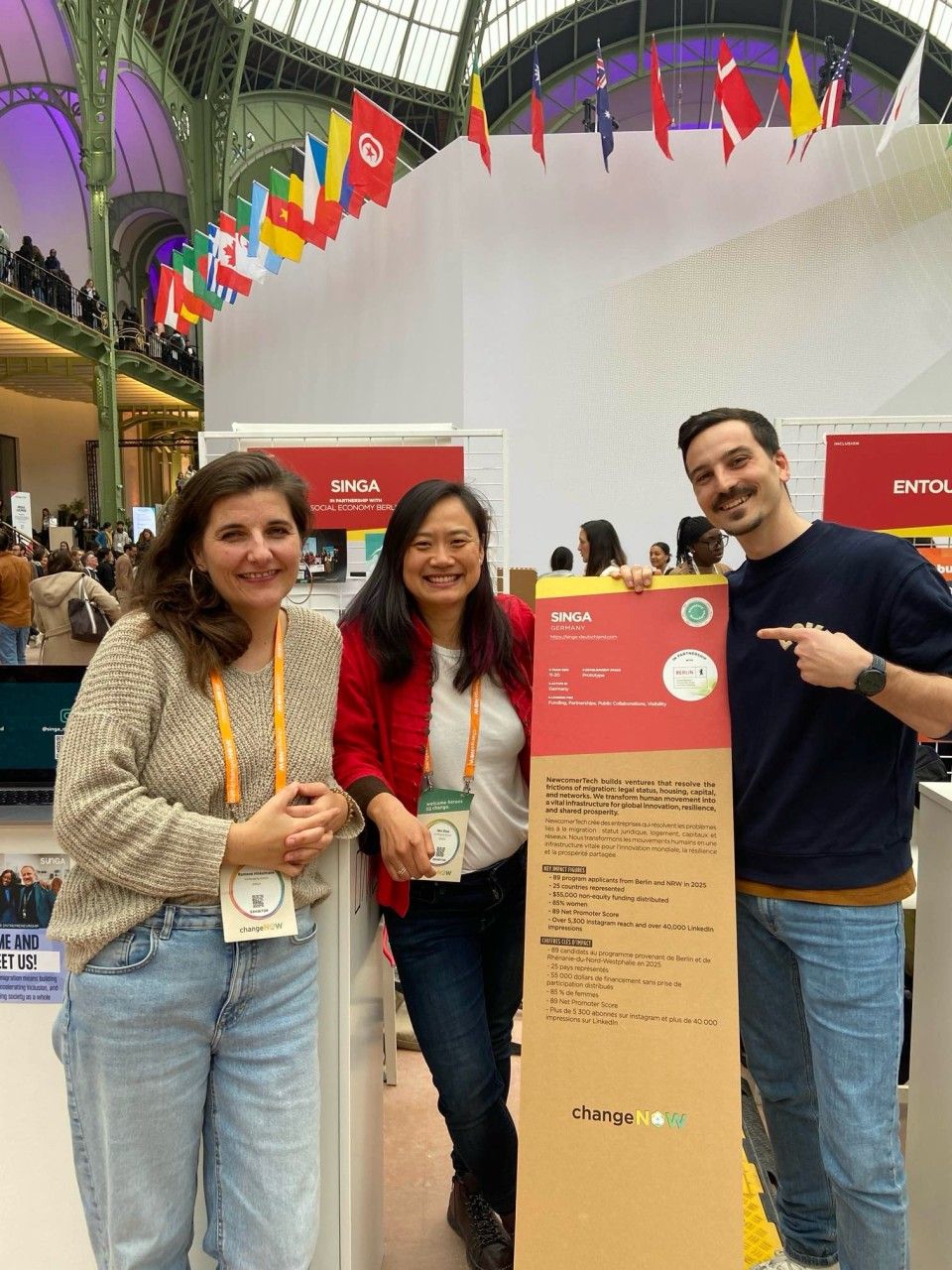
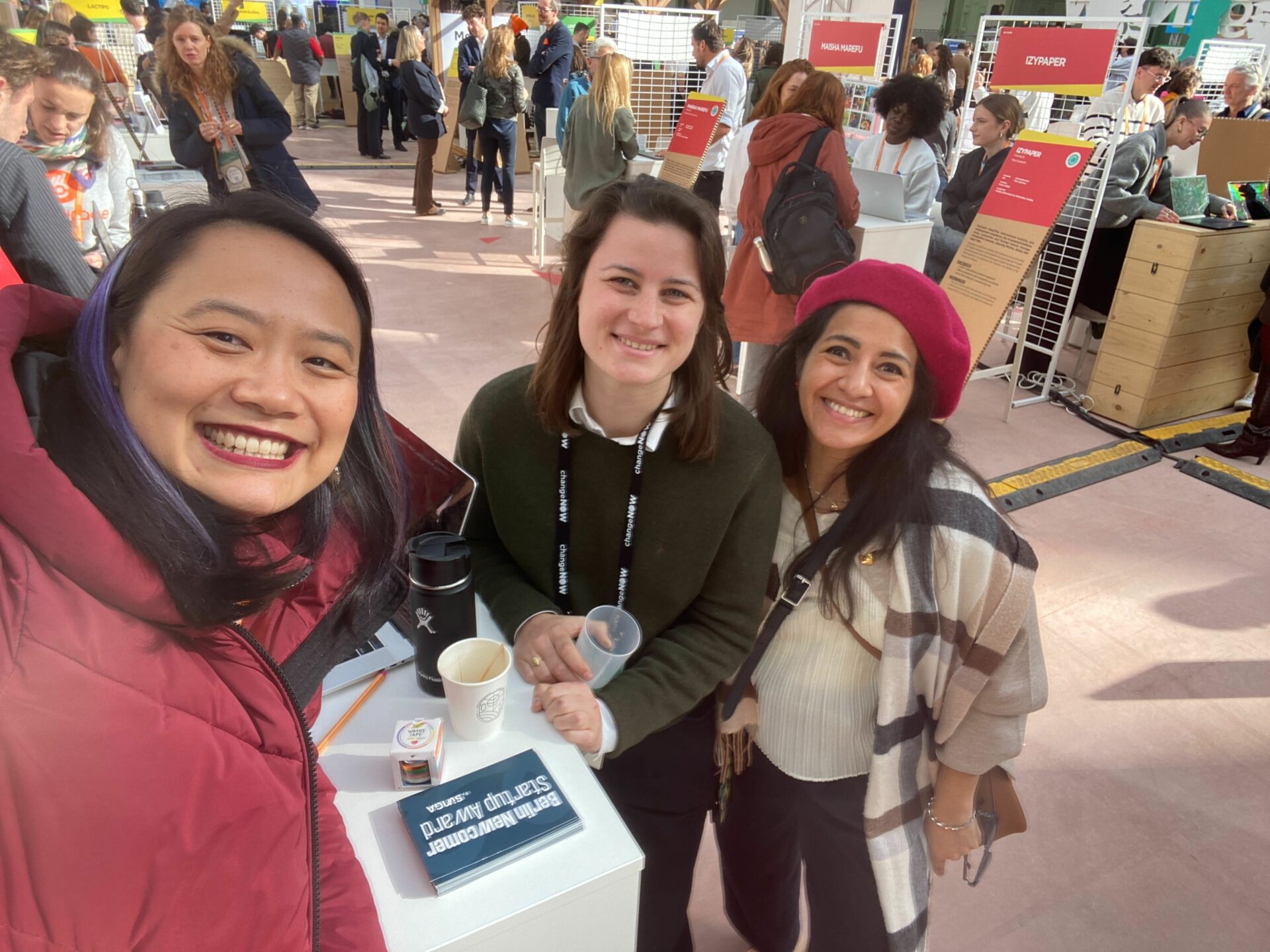
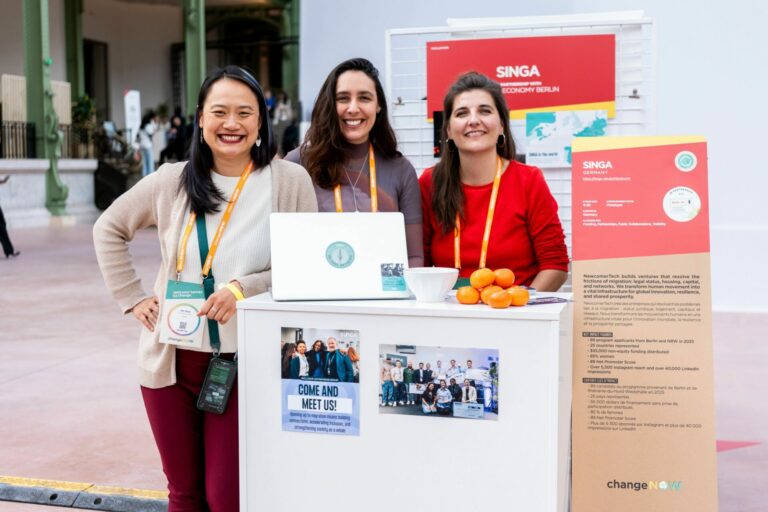
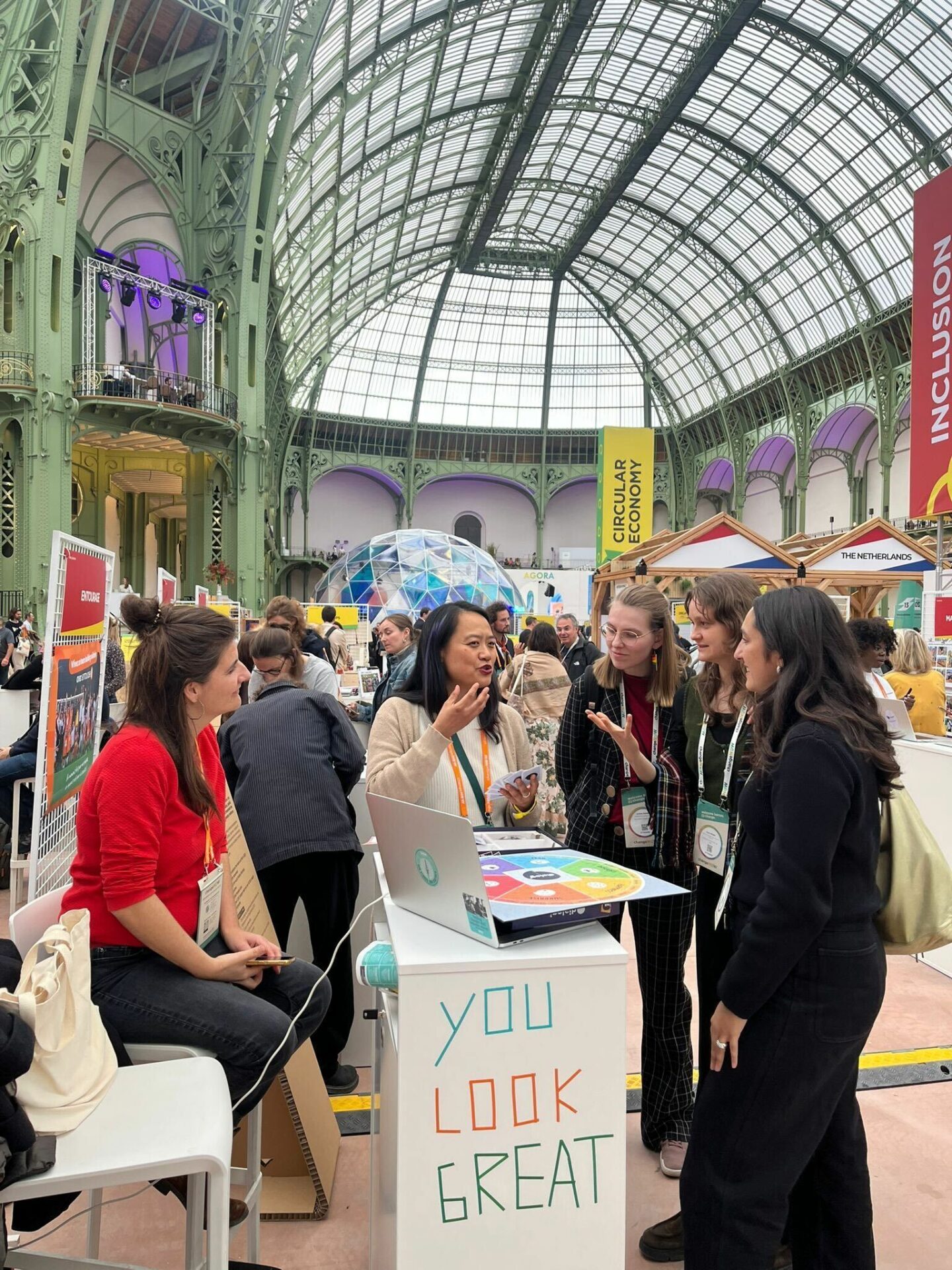
Throughout the summit, SINGA Deutschland also maintained a stand staffed by the Berlin team: Sen Zhan, Ramona Hinkelmann, and Izabella Neves de Morais.
More than just a space for visibility, this booth became a hub for meetings and discussions with numerous European partners, incubators, foundations, and social innovation actors.
Discussions focused in particular on the entrepreneurial programs developed by SINGA for newcomers and on how migration experiences can become drivers of social, economic, and environmental innovation.
Seeing thousands of people from the nonprofit sector, finance, startups, politics, and activism gathered at the Grand Palais to imagine solutions gives hope.” Guillaume Capelle, co-founder of SINGA