“À la table du monde”: Recipes and Stories by SINGA Marseille
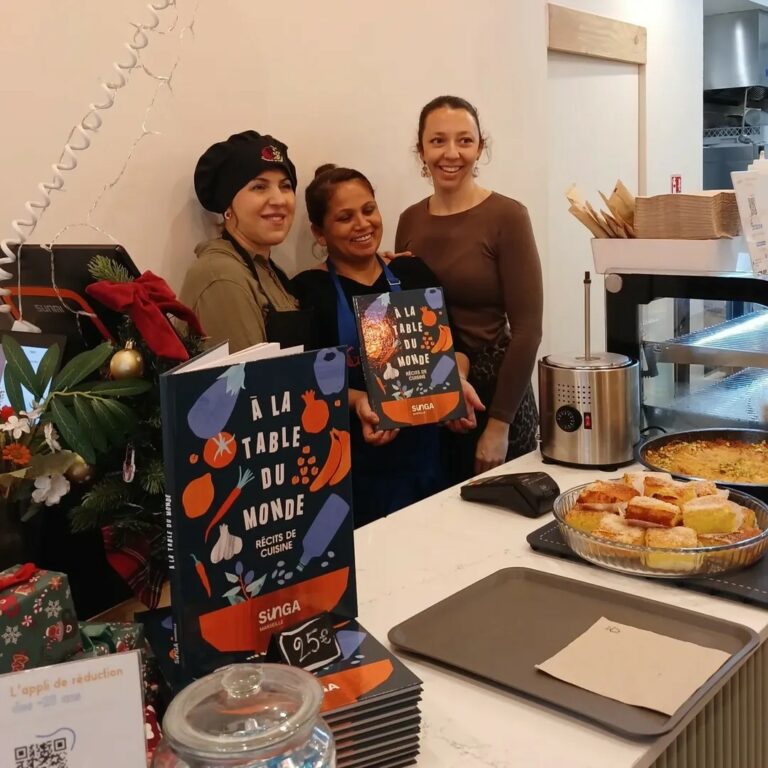
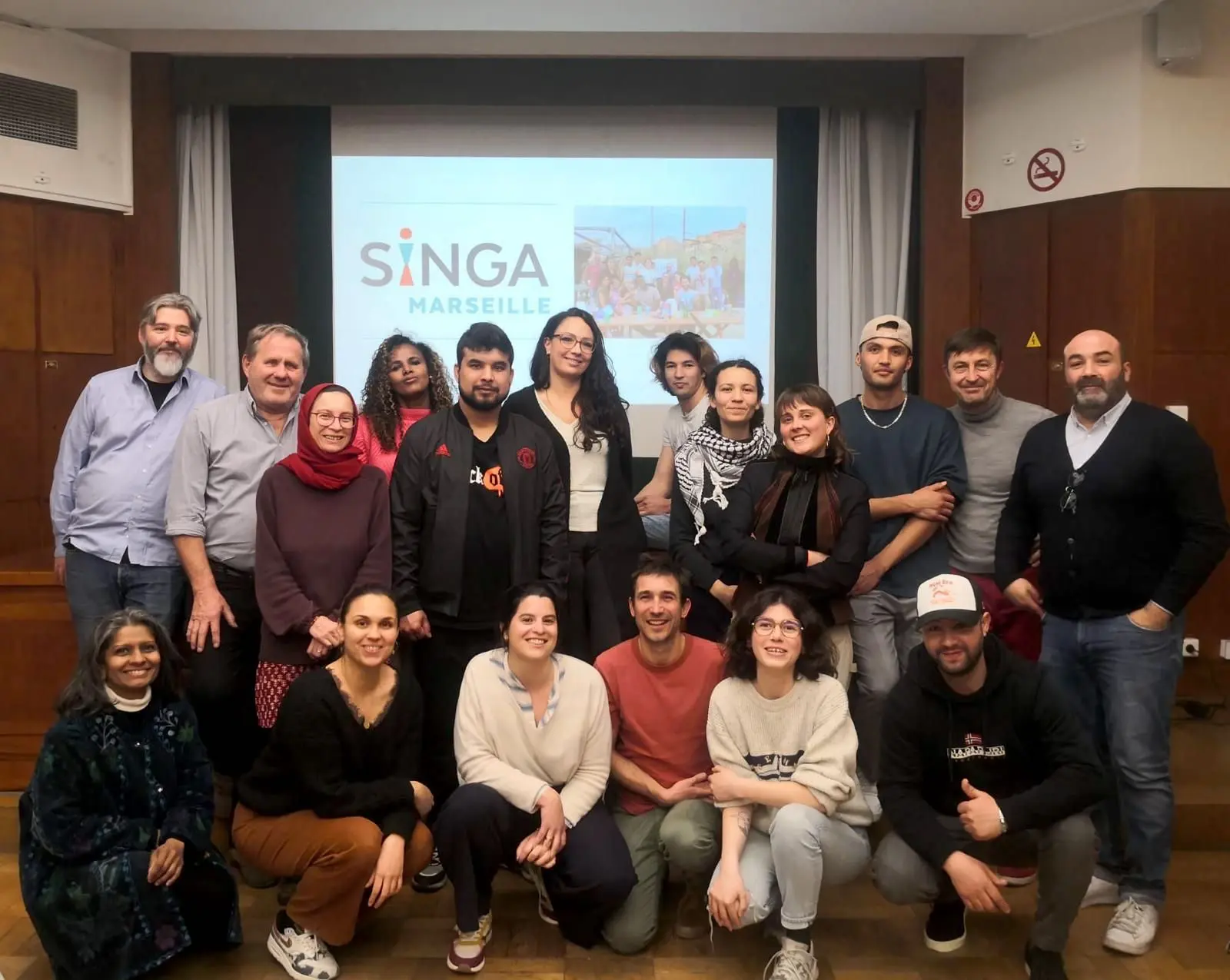
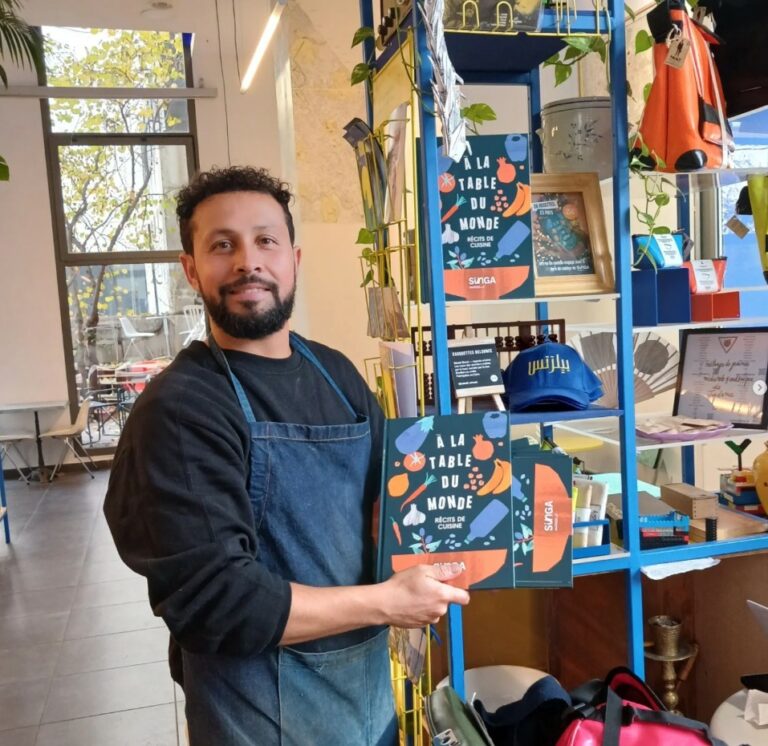
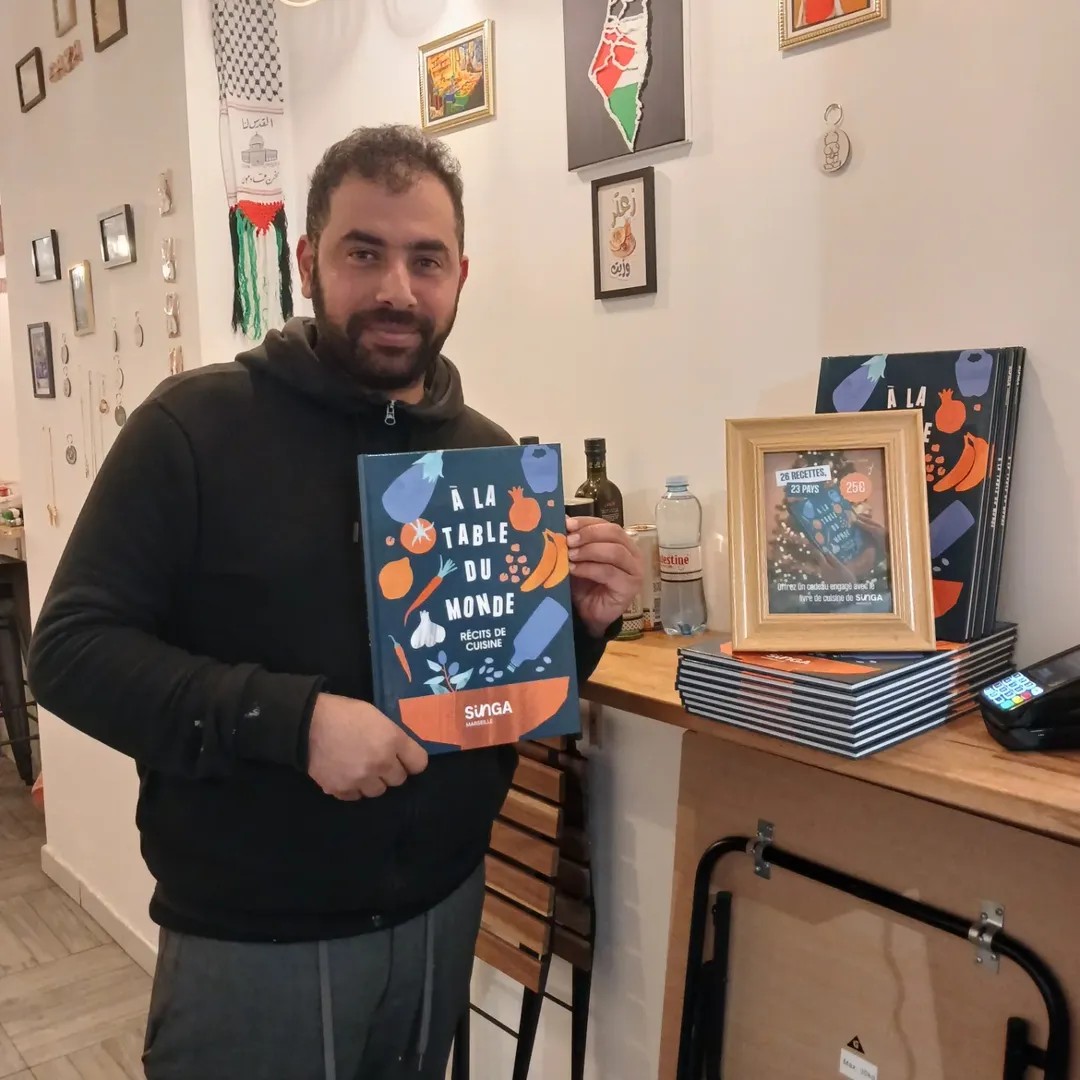
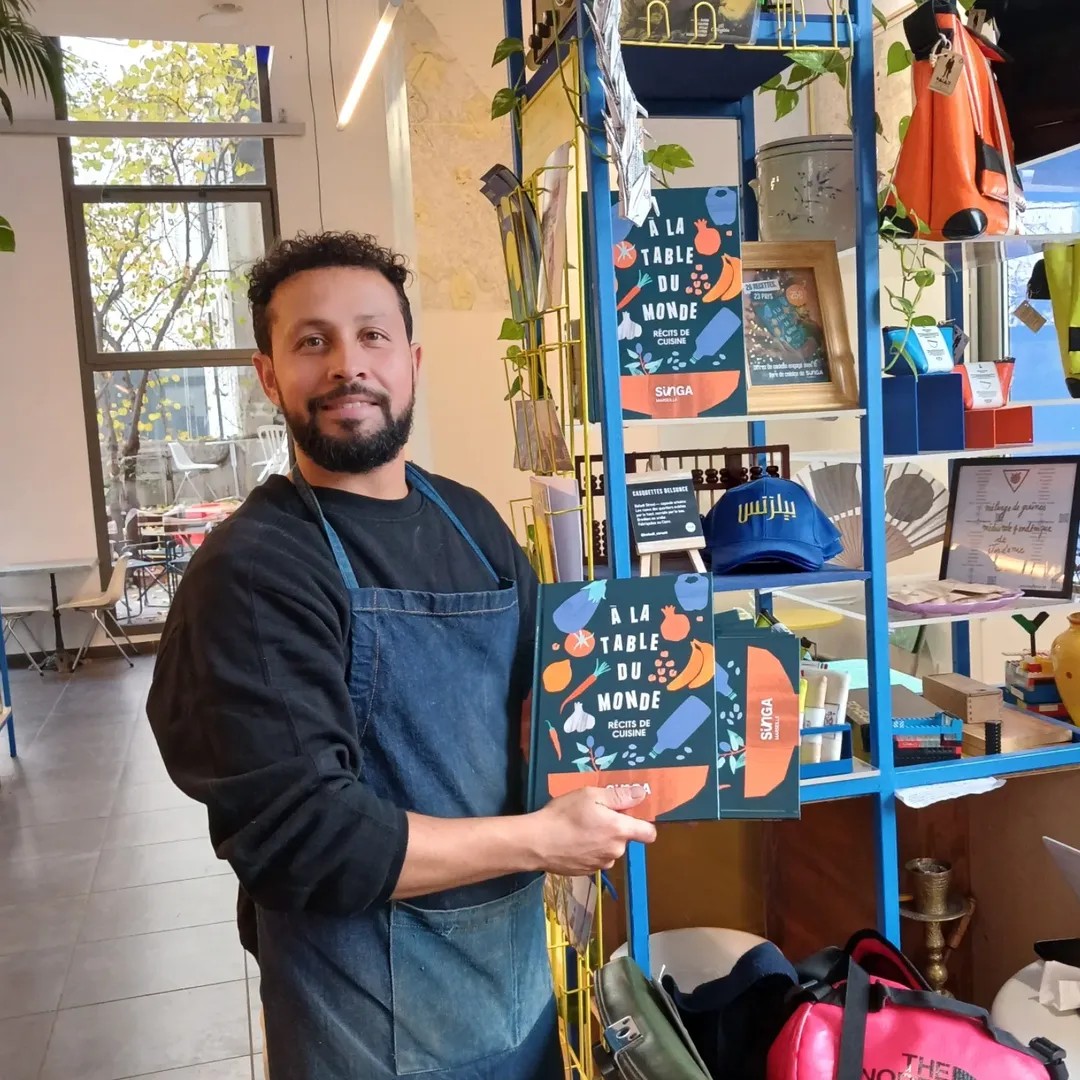
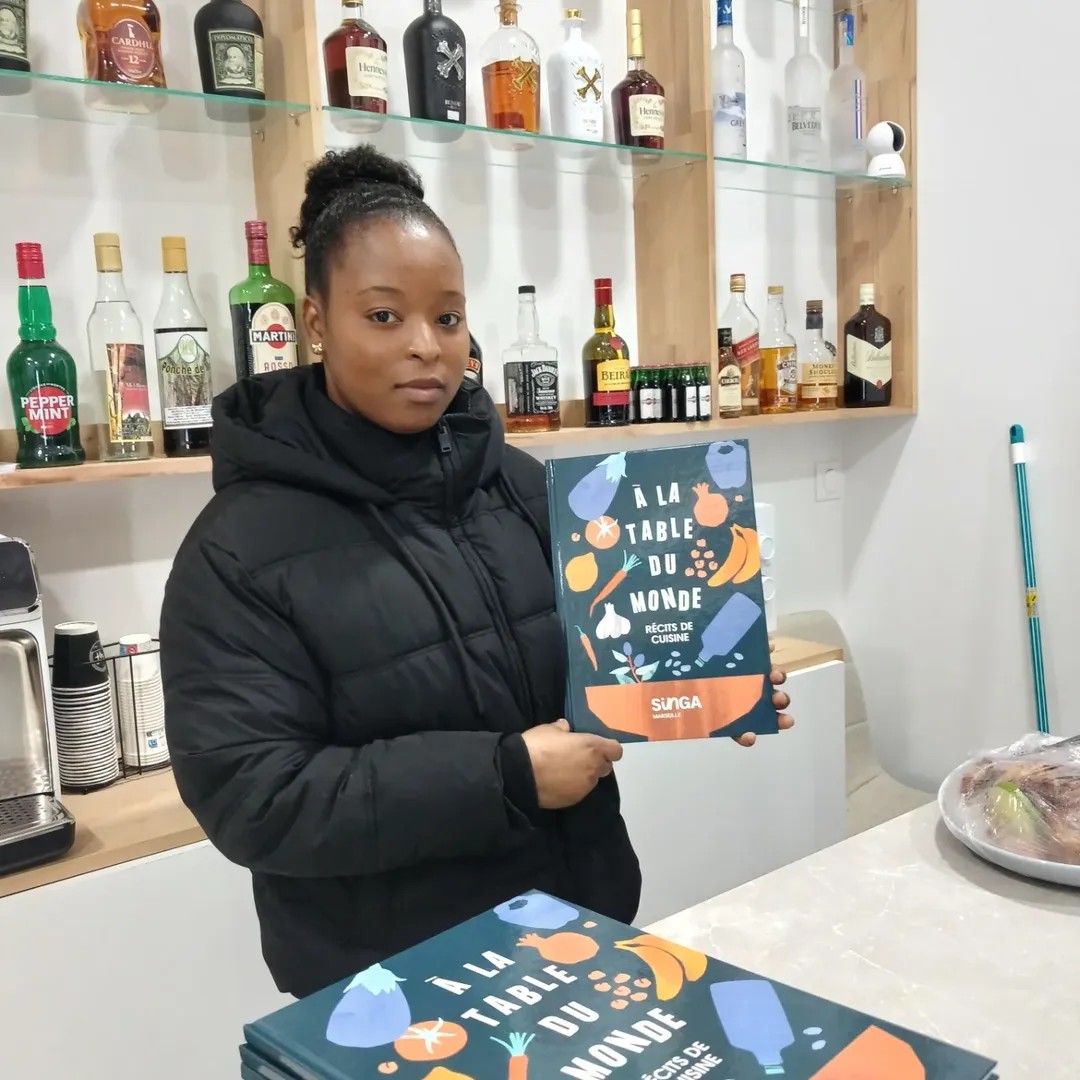
On November 6, Marseille has unveiled À la table du monde, its very first cookbook. Conceived as a collaborative project, the book brings together 26 recipes shared by community members from 23 countries, reflecting the diversity of backgrounds and cultures that today make up the Marseille ecosystem of the association.
Behind the recipes lie stories of heritage, exile, memory, and sharing. Since 2019, SINGA Marseille has been creating spaces where newcomers and local residents can come together. With À la table du monde, the organization continues to pursue this same goal: to build connections through concrete, accessible experiences where everyone can share a part of their story.
26 recipes that tell stories of journeys and cultures
From Morocco to the Philippines, from Ethiopia to Syria, from Cape Verde to Tajikistan, the recipes in this book paint a vivid picture of the cultures that shape Marseille today.
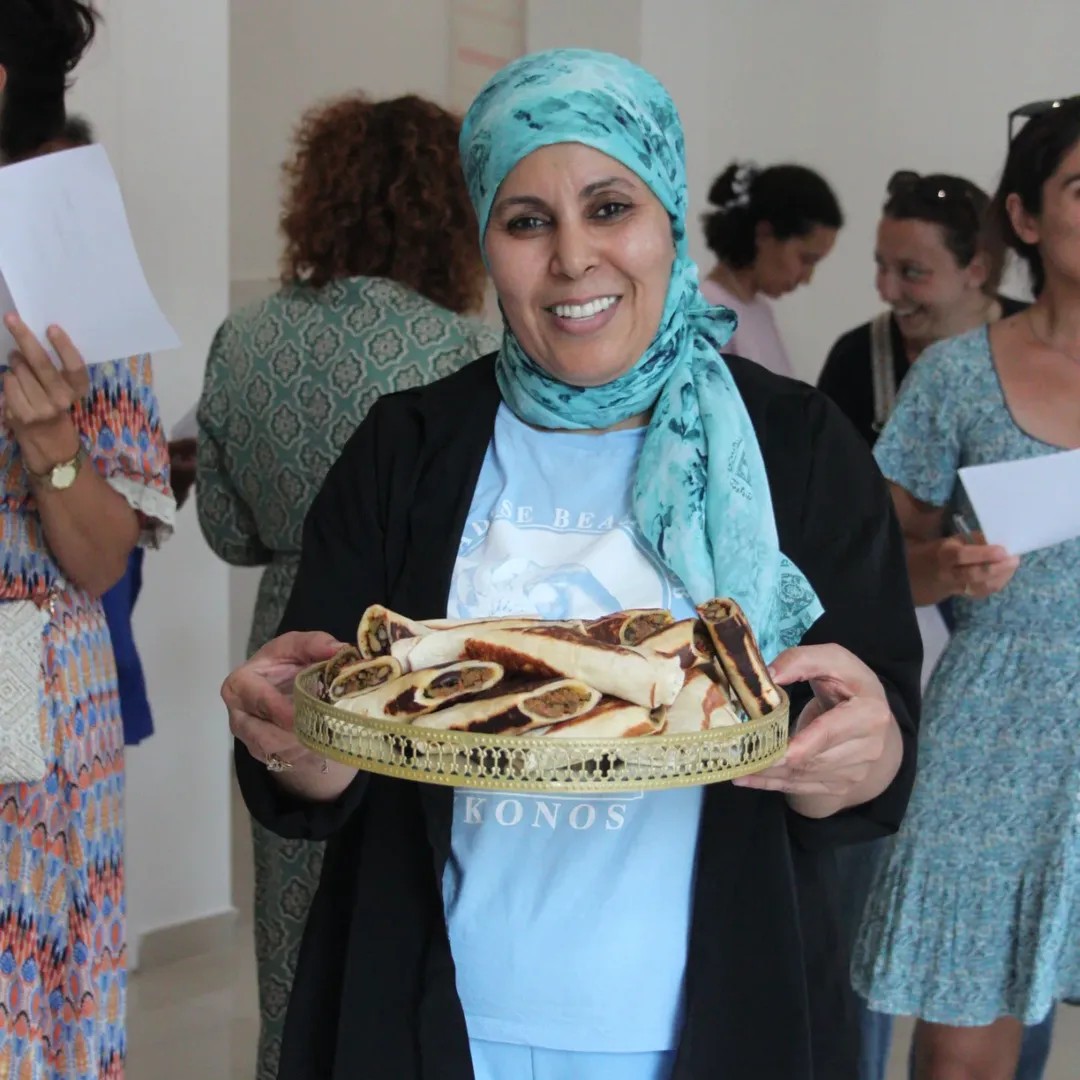
Each dish was shared directly by a member of the SINGA Marseille community. Some recipes evoke childhood memories, while others bring to mind festive meals, family traditions, or customs passed down from generation to generation.
The book features:
- sweet and savory recipes suitable for all skill levels;
- family-friendly dishes and vegetarian options;
- a variety of culinary practices and cultural traditions
Recipes to listen to as much as to cook
To enhance the experience, each recipe comes with an audio track accessible via a QR code.
Readers can therefore hear participants tell the story behind the dish, share personal anecdotes, or offer cooking tips. It’s a way to put oral storytelling back at the heart of knowledge-sharing, in a format that is both intimate and lively.
A collective project rooted in Marseille
The result of a collaborative effort, À la table du monde reflects the diversity of backgrounds and experiences that make up the SINGA Marseille community.
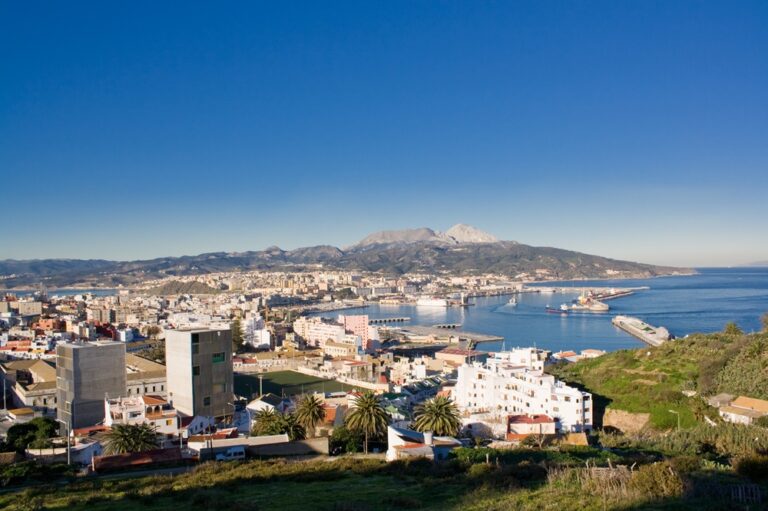
In a city historically shaped by migration, cultural exchange, and the blending of cultures, this project serves as a reminder that cuisine can be a powerful force for social connection.
Through this book, SINGA Marseille also offers a different way of telling the story of migration: not through statistics or administrative categories, but through gestures, flavors, stories, and shared experiences.
Building connections around a table
With À la table du monde, SINGA Marseille pursues a conviction shared by the entire SINGA movement: inclusion is also built in everyday spaces, around a meal, a conversation, or a shared recipe.
A project that appears simple on the surface, yet is deeply political in what it conveys: the power of human connection to create new shared imaginaries.
Marseille